
Support for overwhelmed teens, exhausted parents, and families living in constant stress
About Teen & Family Therapy in Santa Clarita, CA
Families usually find this practice after months or years of trying to hold everything together. Many arrive feeling emotionally exhausted, disconnected, hypervigilant, or terrified about what could happen next. This practice specializes in helping adolescents, young adults, and families navigating anxiety, trauma, self-harm, suicidality, emotional dysregulation, and complex family dynamics.
What We Help With
This practice supports adolescents, young adults, parents, and families facing:
Severe anxiety and panic attacks
Self-harm and suicidal thoughts
Trauma and PTSD
Emotional dysregulation and shutdown
School refusal and avoidance
Family conflict and disconnection
Higher levels of care transitions
Parenting stress, burnout, and overwhelm
Many families come in after therapy, hospitalizations, residential treatment, or intensive programs have not created lasting change. The work here focuses on stabilization first, while helping families understand the deeper patterns underneath the crisis.
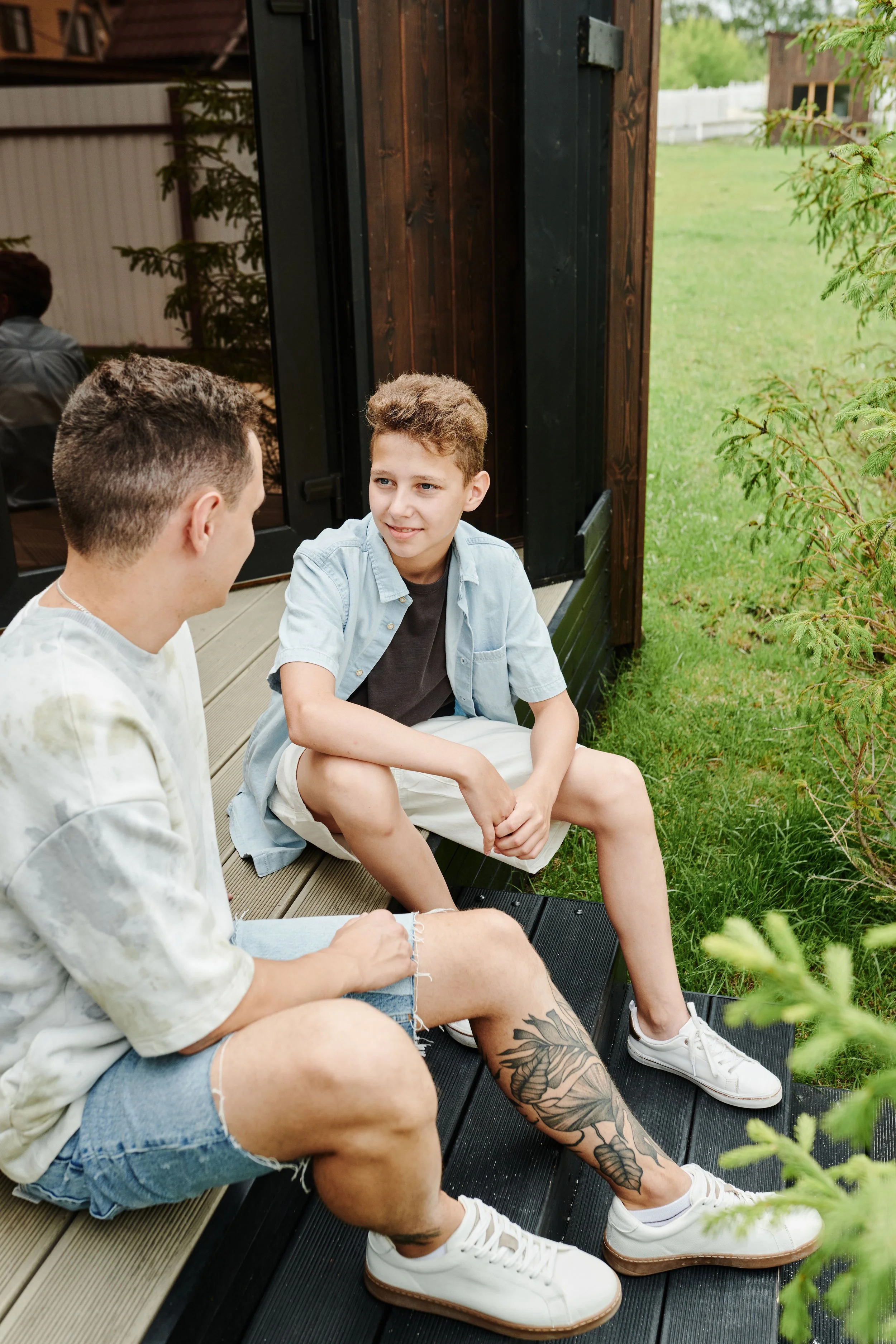

Families are not failing. They are exhausted.
What We Believe
Most parents are trying incredibly hard, but many are operating from fear, panic, guilt, or emotional burnout. When the nervous system stays activated for long periods of time, families often lose trust in themselves, their instincts, and each other.
This practice believes meaningful change happens when families feel grounded enough to slow down, observe patterns with curiosity instead of shame, and respond from a more regulated place.
Therapy should feel supportive, challenging, collaborative, and deeply human.

Our Approach to Therapy
The work begins with stabilization.
When families live in constant crisis, everyone starts reacting from fear, overwhelm, exhaustion, or survival mode. “Try harder” stops working because you cannot out-strategize a dysregulated nervous system. Regulate first, then respond. That’s the shift.
Christina’s approach combines trauma-informed therapy, family systems work, nervous system regulation, accountability, and practical structure. Families receive clear guidance, honest feedback, and a roadmap for treatment that helps cut through the noise and create steadiness during difficult moments.
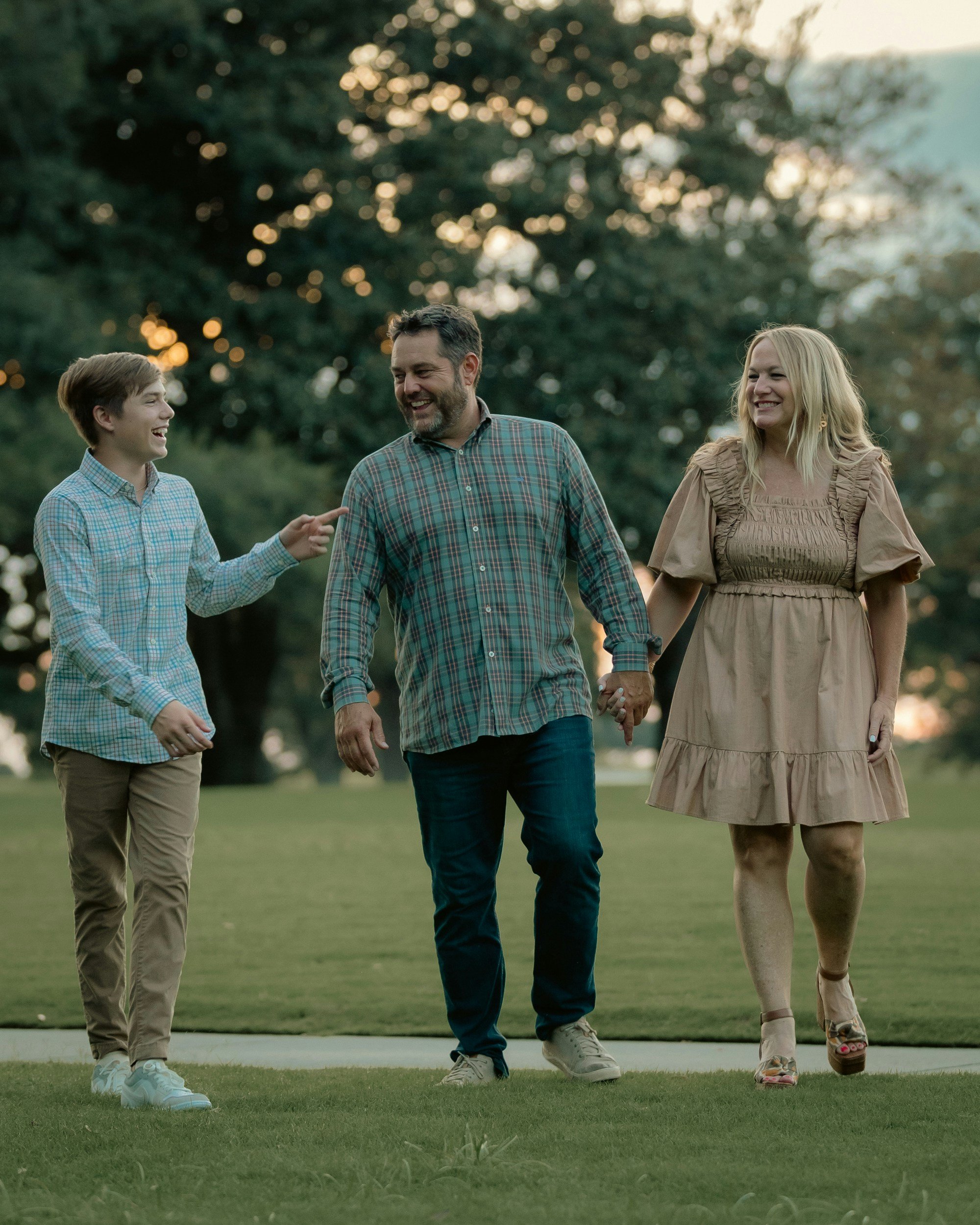
What Makes This Practice Different
Christina specializes in high-risk and complex adolescent cases, including self-harm, suicidality, severe anxiety, trauma, emotional dysregulation, and higher levels of care transitions.
Families often describe the work as both supportive and direct. Parents are actively included in the process, teens are challenged without shame, and accountability exists on both sides.
This practice keeps a smaller caseload so families receive more individualized attention, clarity, and support during high-stress seasons. Chaos has a pattern. Part of the work is helping families finally understand what they’re seeing and how to respond differently.

About Christina
Why Christina Does This Work
Christina Trujillo Sieren, LCSW is an author, speaker, therapist, and mom of two specializing in high-risk adolescents, parenting support, and family systems work.
Her background includes residential treatment, community mental health, trauma work, and years of supporting adolescents and families navigating severe emotional and behavioral challenges. Over time, these complex cases became the work she felt most connected to and most effective doing.
Today, families know Christina for being direct, deeply invested, calming during crisis, and willing to have the hard conversations that create real movement and change.

How to Get Started
STEP 1
Schedule Onboarding Session
Families begin with an onboarding session to discuss concerns, ask questions, and better understand what support may look like moving forward.
STEP 2
Receive a
Clear Roadmap
Parents receive Christina’s 6 Phases of Therapy, which outlines the overall treatment process and helps reduce uncertainty around what comes next.
STEP 3
Begin the
Work Together
Therapy starts with stabilization, understanding the family system, and identifying the patterns that need the most immediate attention first.
Frequently Asked Questions
-
Yes. Virtual therapy is available throughout California, with in-person sessions offered in Santa Clarita and surrounding areas.
-
Parents are an important part of the work. While teens need privacy and trust within therapy, caregivers receive guidance, collaboration, and support throughout treatment.
-
Many families arrive after multiple therapy experiences, hospitalizations, or treatment programs. This practice focuses heavily on stabilization, family systems, nervous system regulation, accountability, and understanding the patterns driving the crisis instead of only managing symptoms.
-
Yes. Christina specializes in complex adolescent mental health, including self-harm, suicidality, trauma, emotional dysregulation, severe anxiety, and transitions from higher levels of care.
-
This is a private pay practice. Superbills are available for possible out-of-network reimbursement.
-
This is one of the most common concerns parents have. Part of the onboarding process includes discussing resistance, motivation, and how to begin creating movement without escalating the power struggle at home.