
PTSD & Trauma Therapy in Santa Clarita, CA
Helping teens and young adults move beyond survival mode and reconnect with themselves
When the Past Doesn't Feel Like the Past
Trauma has a way of making the world feel unsafe long after the danger has passed.
You tell yourself it's over, yet your body doesn't seem to believe it.
Certain places, people, sounds, memories, or situations trigger an immediate response. Your heart races. Your muscles tighten. Your breathing changes. You feel overwhelmed, numb, disconnected, on edge, or completely exhausted.
For some people, trauma feels loud.
For others, it feels like shutting down.
Many teens and young adults describe feeling stuck between wanting to move forward and feeling unable to leave the past behind.
Trauma can make it difficult to trust others, trust yourself, sleep peacefully, regulate emotions, or feel fully present in your own life.
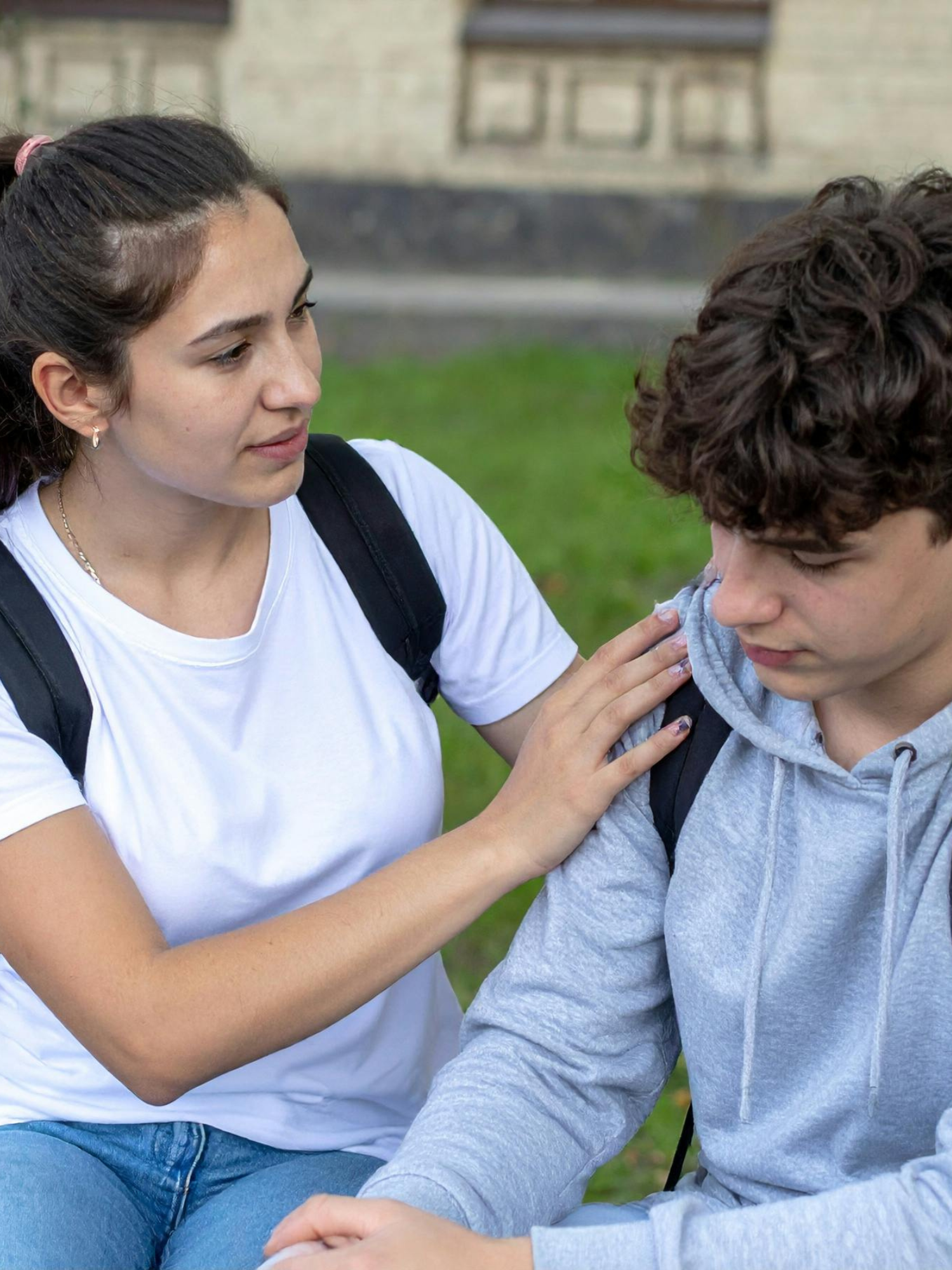

Trauma Lives in the Body
One of the most frustrating parts of trauma is that understanding what happened does not always make the symptoms go away.
Many clients have spent years trying to think their way out of trauma.
They know what happened.
They know it wasn't their fault.
They know they should be "over it by now."
Yet the body continues responding as though the danger is still present.
The body remembers.

Trauma can show up as:
Flashbacks
Nightmares
Hypervigilance
Panic responses
Emotional numbness
Dissociation
Irritability
Sleep difficulties
Difficulty concentrating
Avoidance of reminders connected to the trauma
This is why trauma treatment often involves more than talking about what happened.
Common Signs of PTSD & Trauma
Emotional Changes
Fear and anxiety
Shame and guilt
Emotional numbness
Feeling detached from others
Increased irritability
Behavioral Changes
Tension in the body
Racing heart
Sleep disturbances
Fatigue
Startle responses
Feeling constantly on edge
Cognitive Changes
Avoiding reminders of the trauma
Withdrawal from relationships
Difficulty trusting others
Increased need for control
Difficulty engaging in everyday activities

Approach to Trauma Therapy
The first goal is not retelling every detail of what happened.
The first goal is helping the nervous system feel safe enough to stay present.
Many clients arrive wanting relief from the constant hypervigilance, emotional overwhelm, intrusive memories, or feeling disconnected from themselves and others. Therapy begins by building internal resources, increasing emotional regulation, and helping clients better understand how trauma is showing up in both the mind and body.
Treatment may include:
Trauma-focused therapy
EMDR-informed interventions
Cognitive Behavioral Therapy (CBT)
Nervous system regulation strategies
Yoga for Mood Management
Mind-body awareness practices
Family support when appropriate
The work happens gradually and intentionally. Healing does not require reliving trauma all at once. It involves creating enough safety and stability for the mind and body to process what has been carried for far too long.
What Trauma Therapy Can Help With
PTSD Symptoms
Reducing flashbacks, nightmares, hypervigilance, avoidance, and trauma-related distress.
Dissociation & Numbness
Helping clients reconnect with themselves, their emotions, and the present moment.
Emotional Regulation
Building the ability to manage overwhelming emotions without feeling consumed by them.
Shame & Self-Blame
Challenging the beliefs and narratives that trauma often leaves behind.
Anxiety & Panic
Addressing the fear responses and nervous system activation that often accompany trauma.
Relationships & Trust
Strengthening connection, communication, and the ability to feel safe with others again.

What Healing Can Look Like
Many clients begin sleeping more peacefully, feeling more present, experiencing fewer triggers, and finding that the trauma no longer dominates every decision, relationship, or thought.
The memories may still exist.
The difference is that they no longer feel like they are happening right now.
Healing from trauma is not about forgetting what happened.
It is about no longer feeling controlled by it.

How to Get Started
STEP 1
Schedule Onboarding Session
Meet with Christina to discuss concerns, ask questions, and better understand what support may look like for your teen and family.
STEP 2
Complete an Initial Assessment
The first phase of treatment focuses on understanding how trauma is impacting the mind, body, and nervous system while building resources for stability.
STEP 3
Build Safety & Understanding
Therapy helps clients gradually process trauma, strengthen emotional regulation, and reconnect with themselves and the life they want to live.
Frequently Asked Questions
-
No. Trauma therapy does not require sharing every detail of what happened during the first session. Treatment often begins by building safety, stabilization, and emotional resources before moving deeper into processing.
-
Trauma refers to the emotional and physiological impact of overwhelming experiences. PTSD is a specific diagnosis that can develop when trauma symptoms continue to significantly interfere with daily functioning.
-
This is common, especially with complex or childhood trauma. Therapy does not require perfect memories in order to begin healing.
-
Yes. Trauma often impacts sleep, energy levels, muscle tension, concentration, digestion, and overall nervous system functioning. Many people experience trauma physically long before they fully understand it emotionally.
-
Healing looks different for everyone. Factors such as the type of trauma, current symptoms, support systems, and treatment goals all influence the length of therapy.
-
Yes. In-person therapy is available in Santa Clarita and surrounding communities, and virtual therapy is available throughout California.